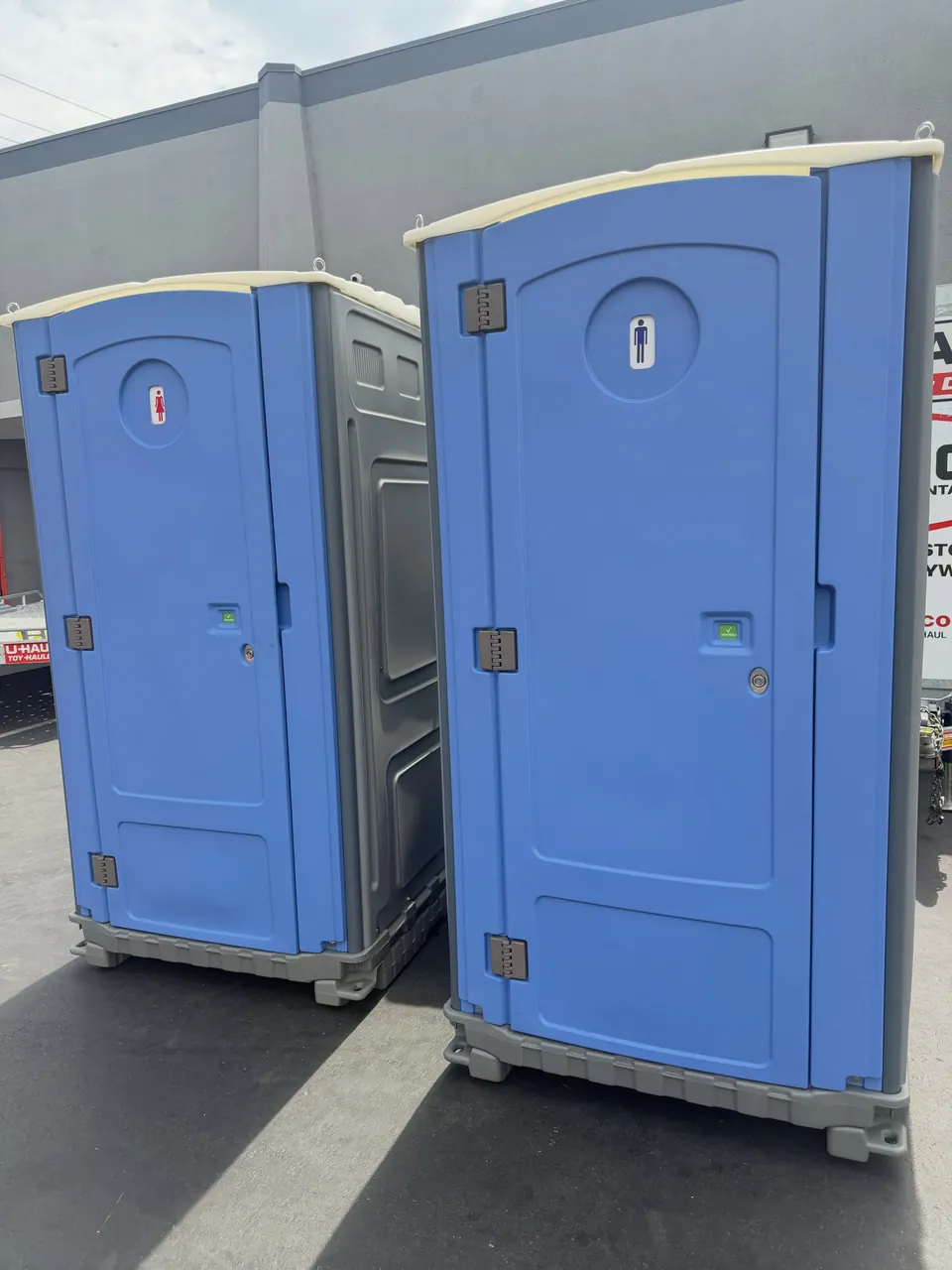
A straightforward option for everyday use
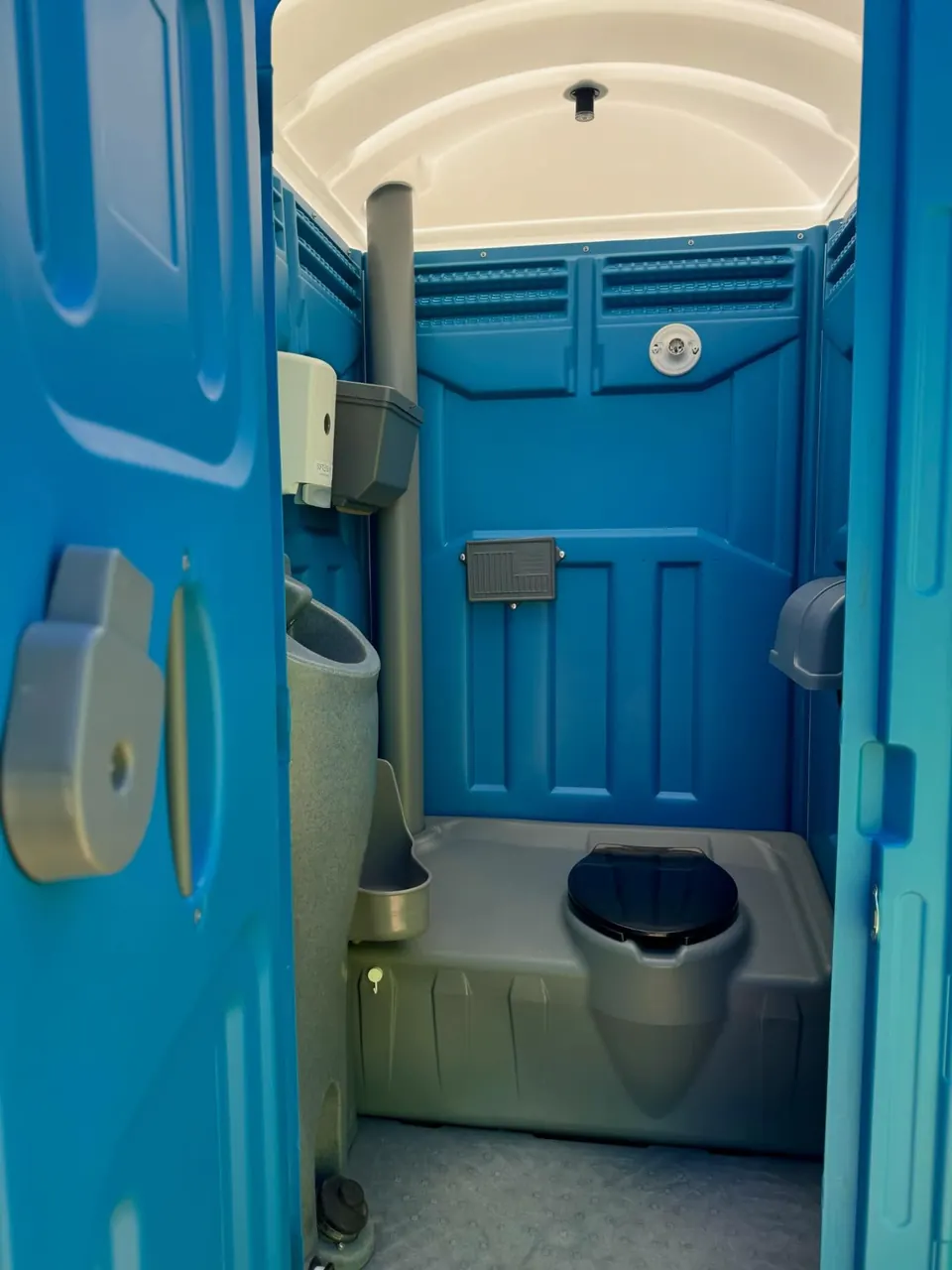
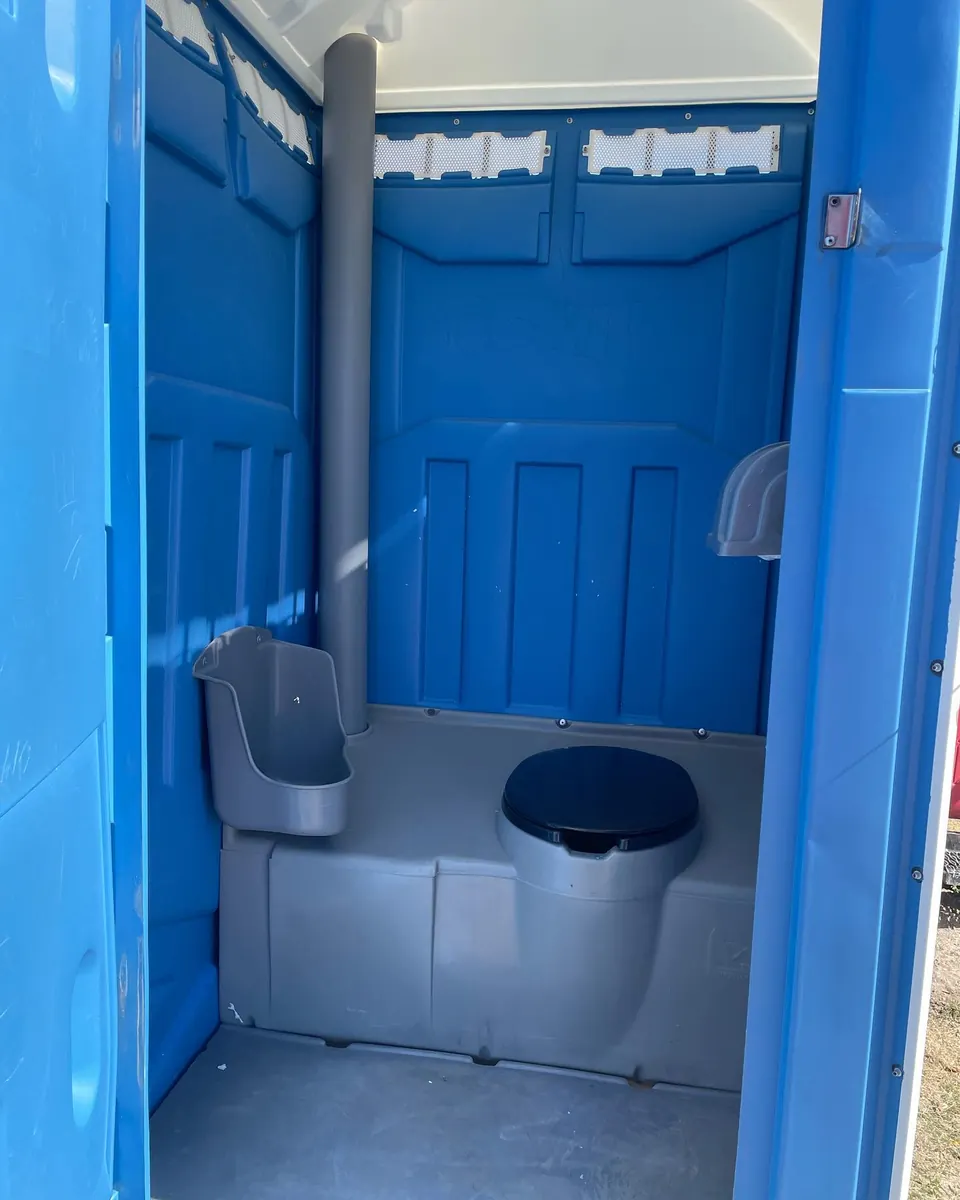
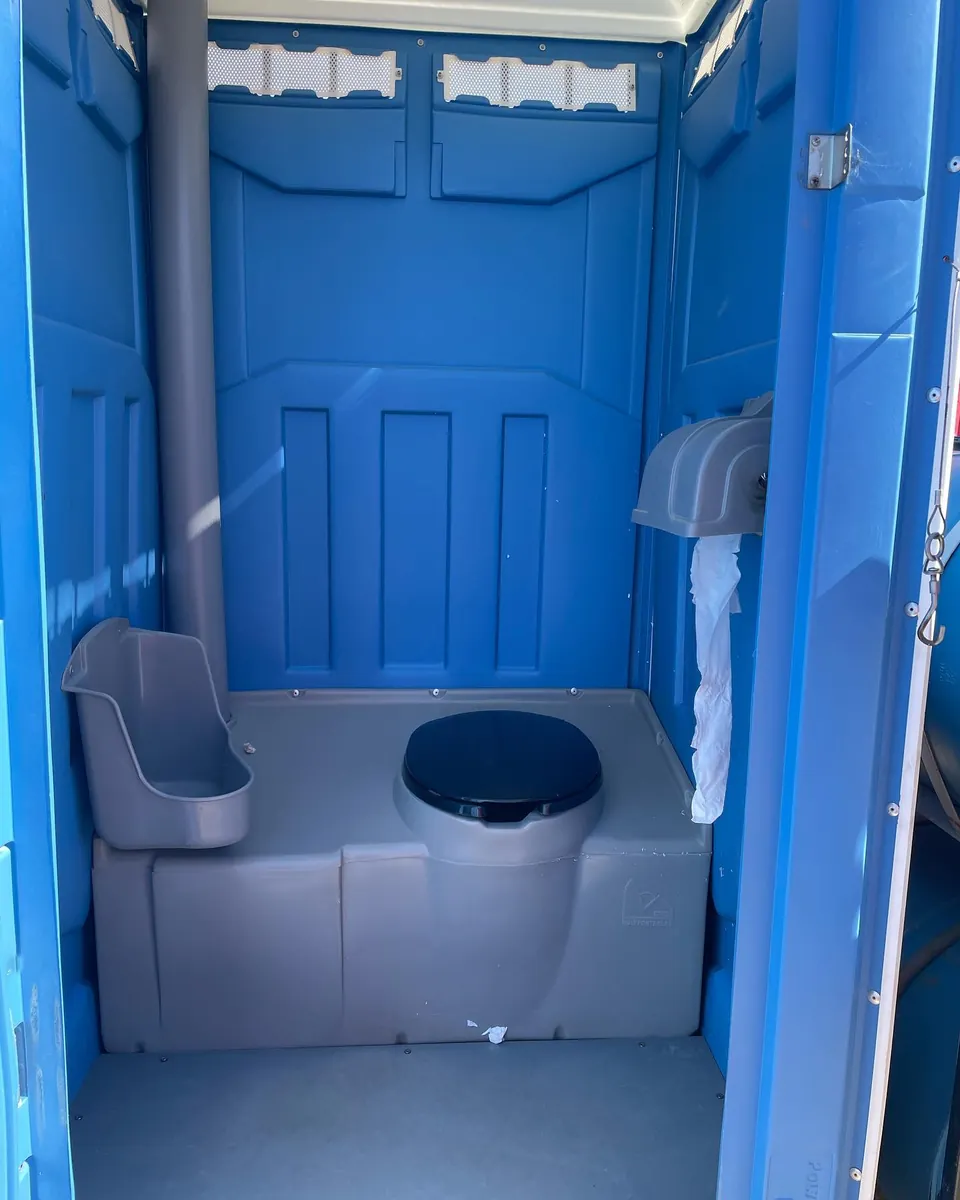
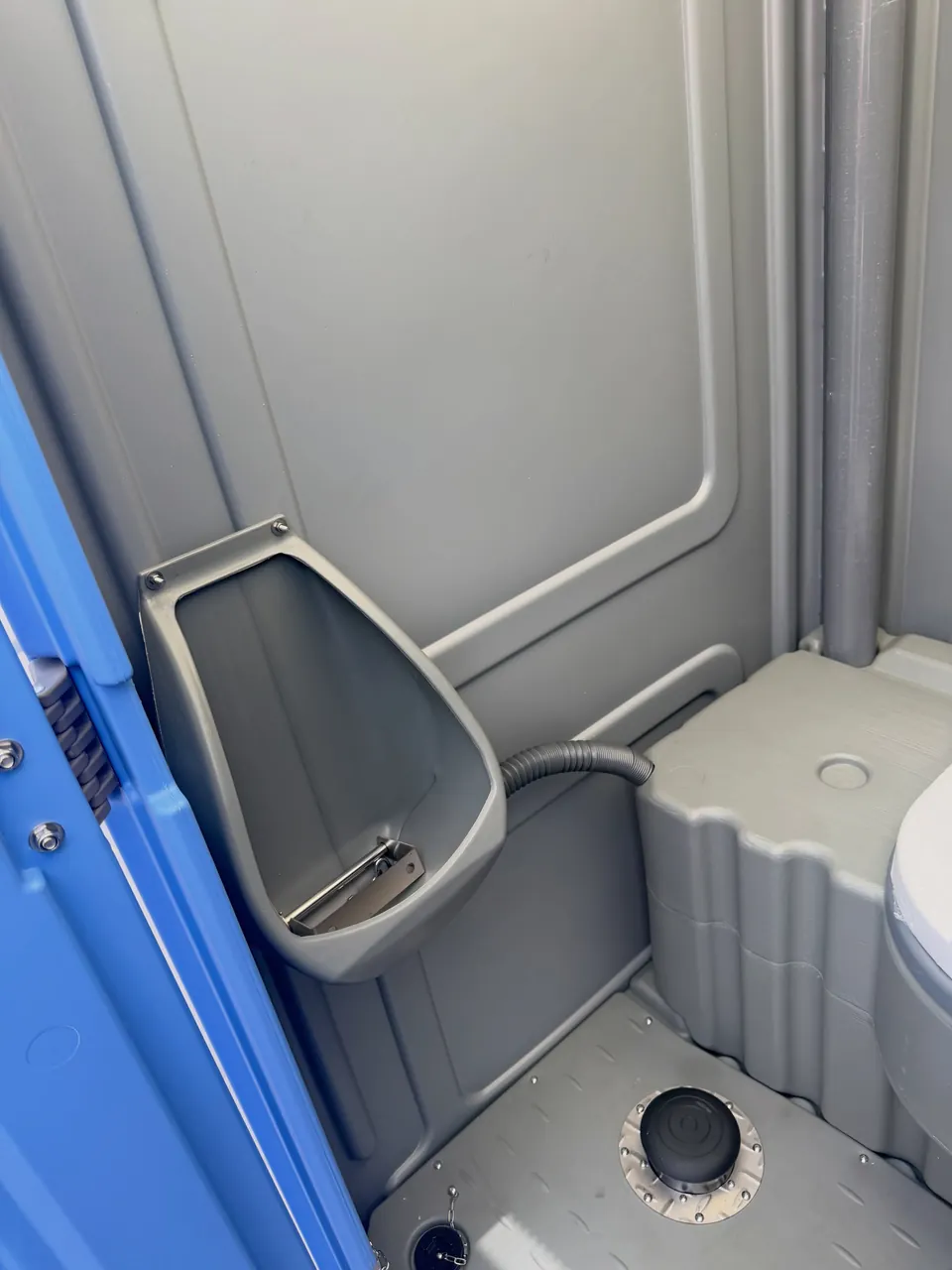
A standard portable toilet is usually a non-flushing unit with a toilet, and often a urinal. It works well when the priority is convenient temporary restroom access. Toilet paper, sanitizer and any other supplies should be identified in the rental agreement; do not assume an interior sink or seat covers are included.
For a home gathering, explain whether indoor restrooms remain available. For a renovation, tell us how many people will rely on the unit each day. A single quiet afternoon and a full working week create different service needs even when the equipment looks the same.
Will it fit through the gate?
The narrowest opening matters, but it is only one measurement. Check the complete route for steps, low branches, tight turns and sloping ground. Servicing and removal also need a usable approach. A unit that can be moved into an empty backyard may not be practical to pump out there.
Pair the toilet with a washing plan
A separate handwashing station lets someone wash while the toilet is occupied. Ask how water, soap and towels will be replenished. Construction sites should review California’s toilet and washing requirements with their site supervisor.
Ask about the whole rental period
For a weekend, confirm when delivery can take place and when collection will occur. For an ongoing rental, get the billing cycle, routine service frequency and pickup notice in writing. Access must remain available while building materials, parked vehicles and temporary fencing move around the site.