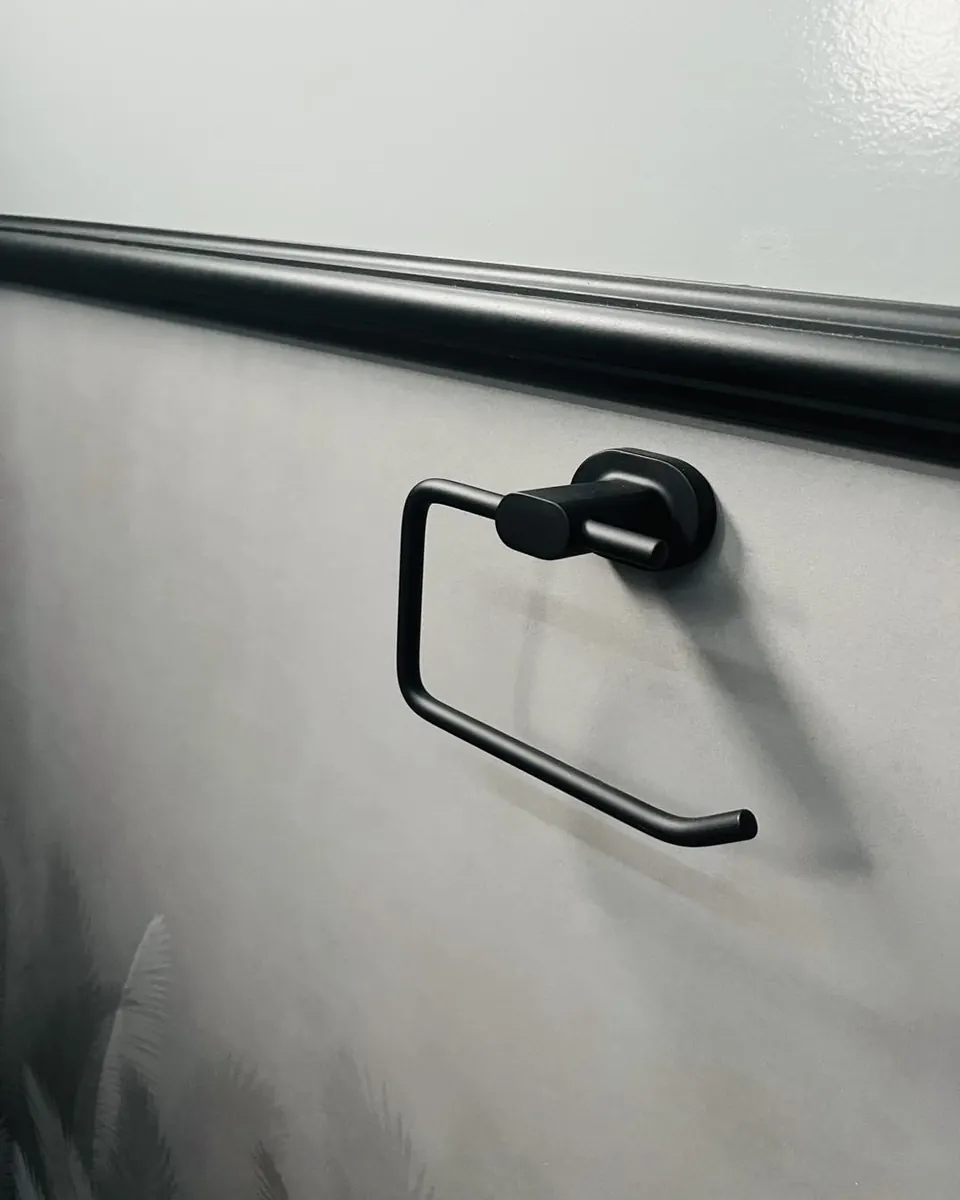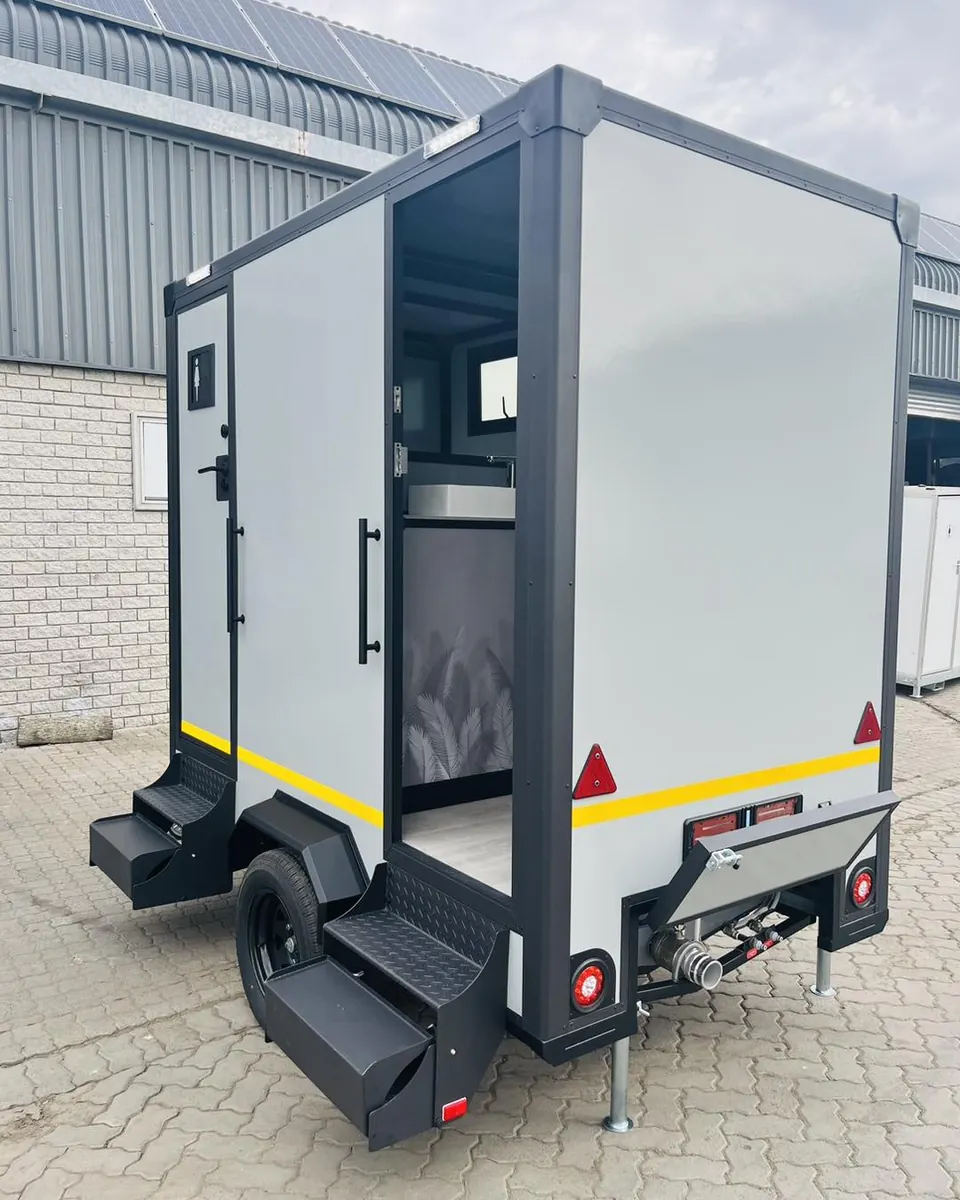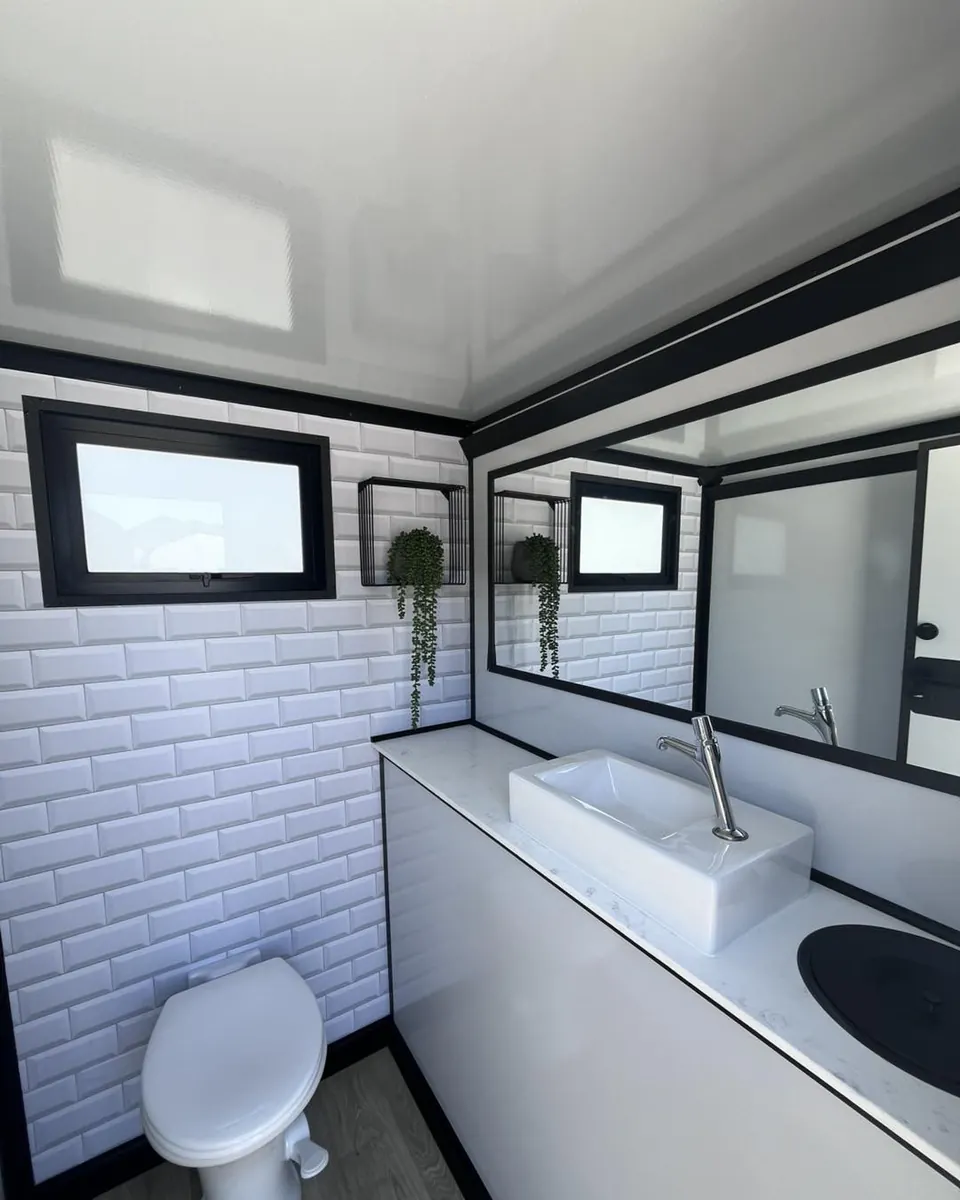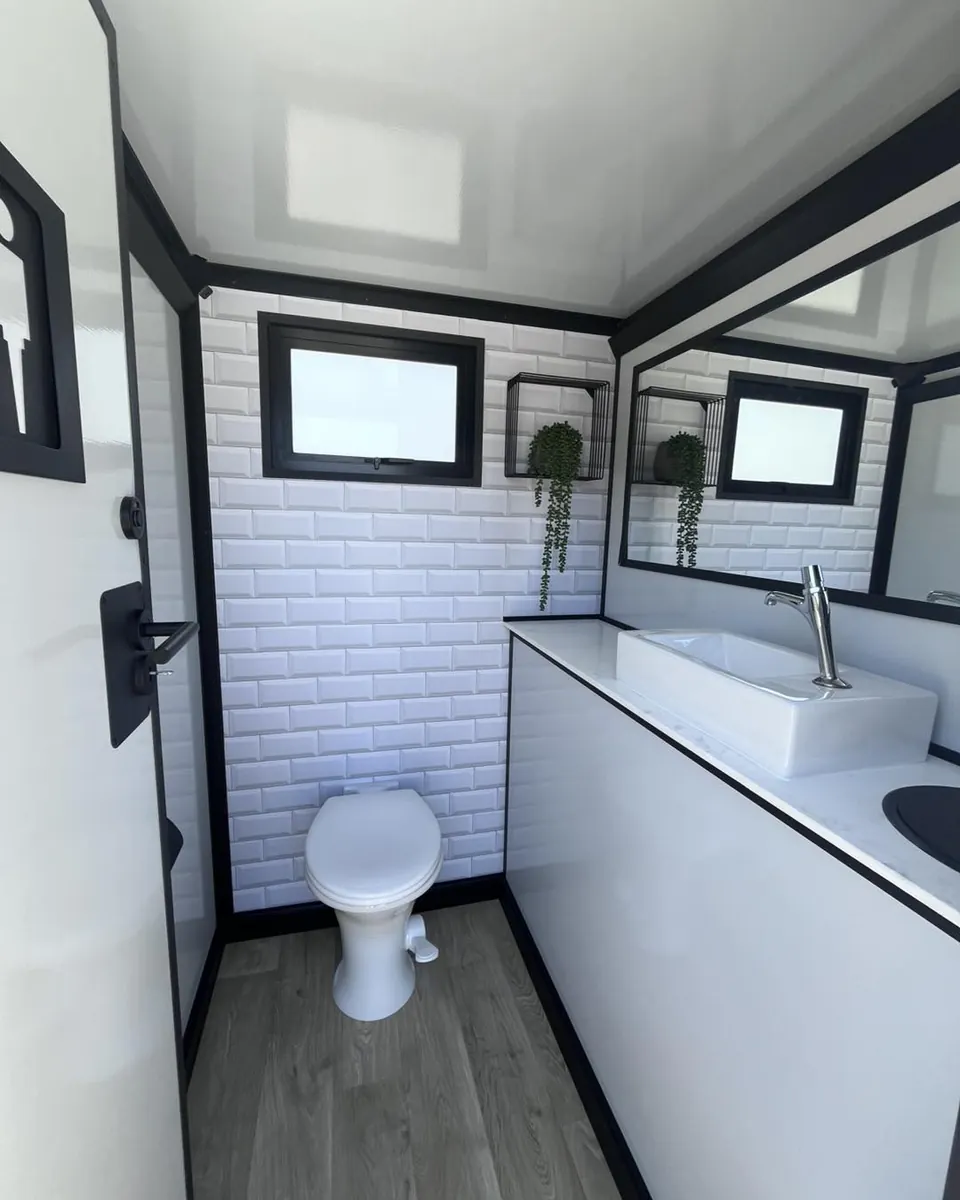
Start with the occasion and the site
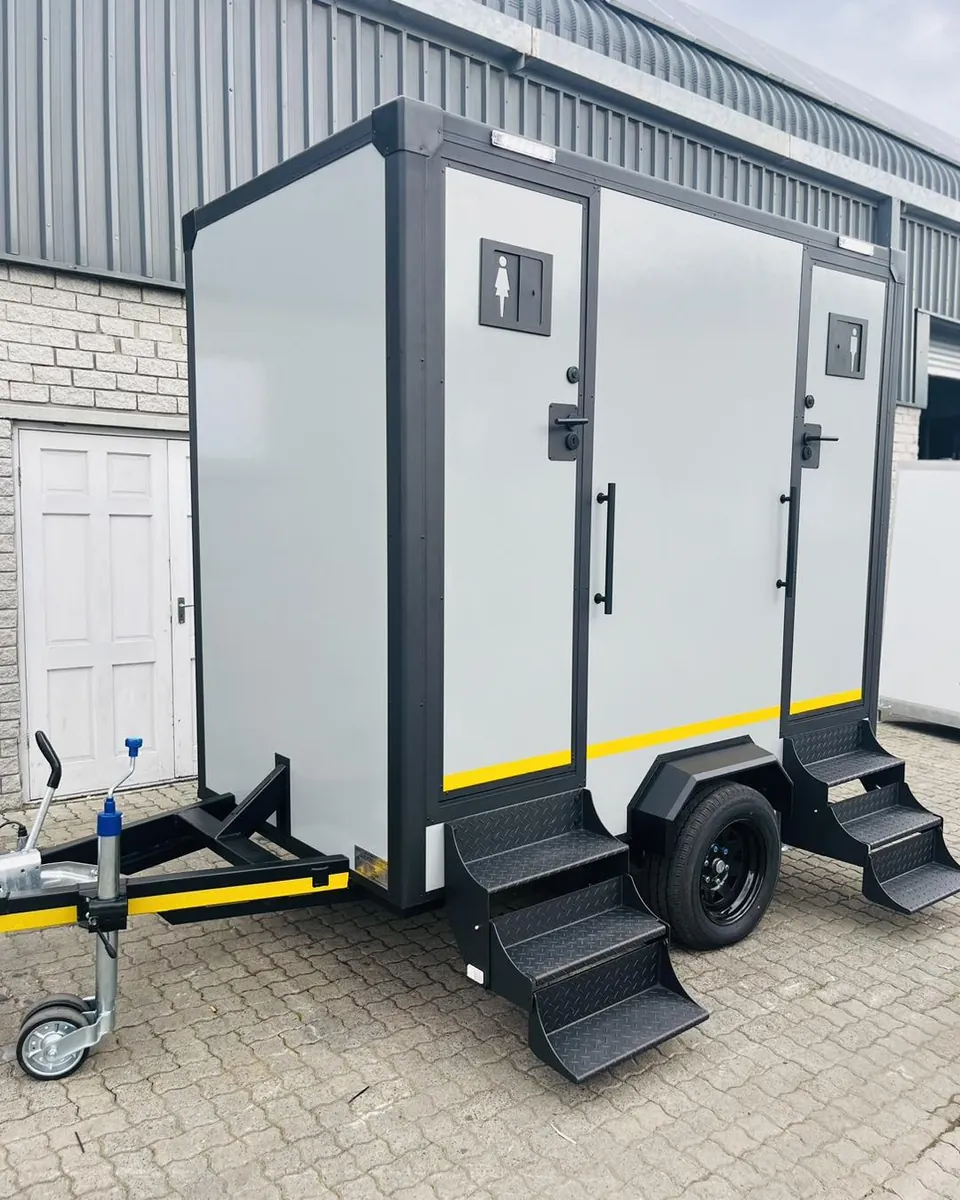
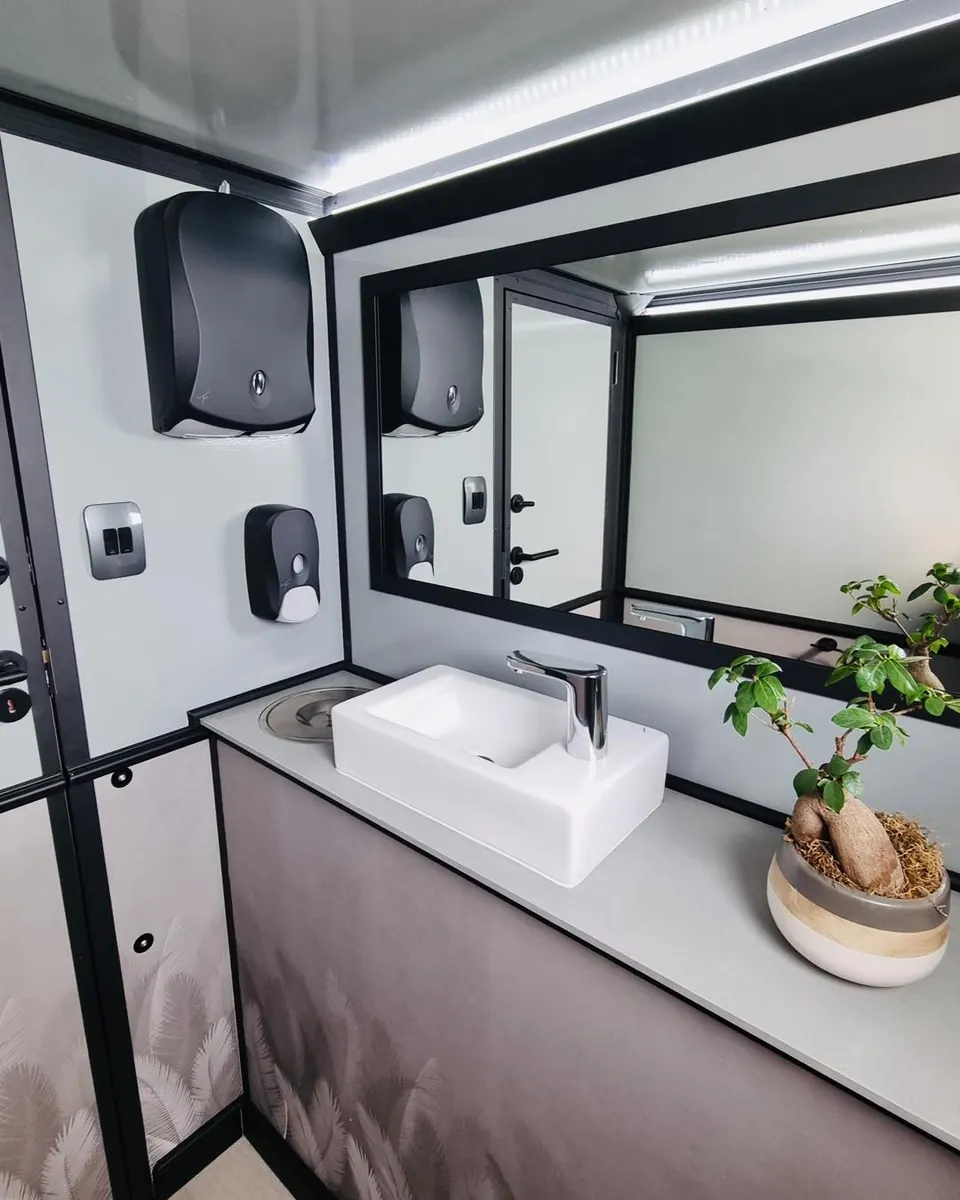
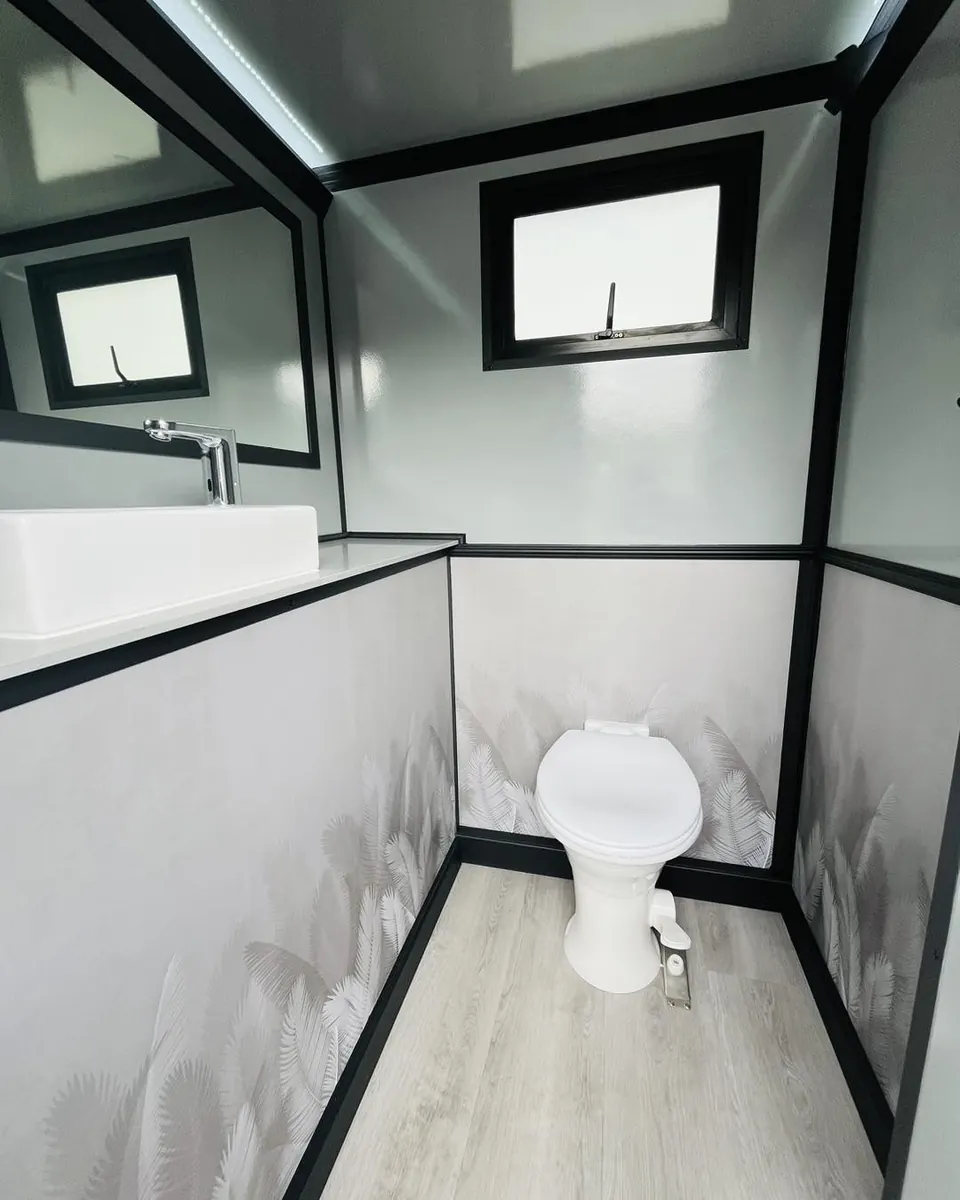
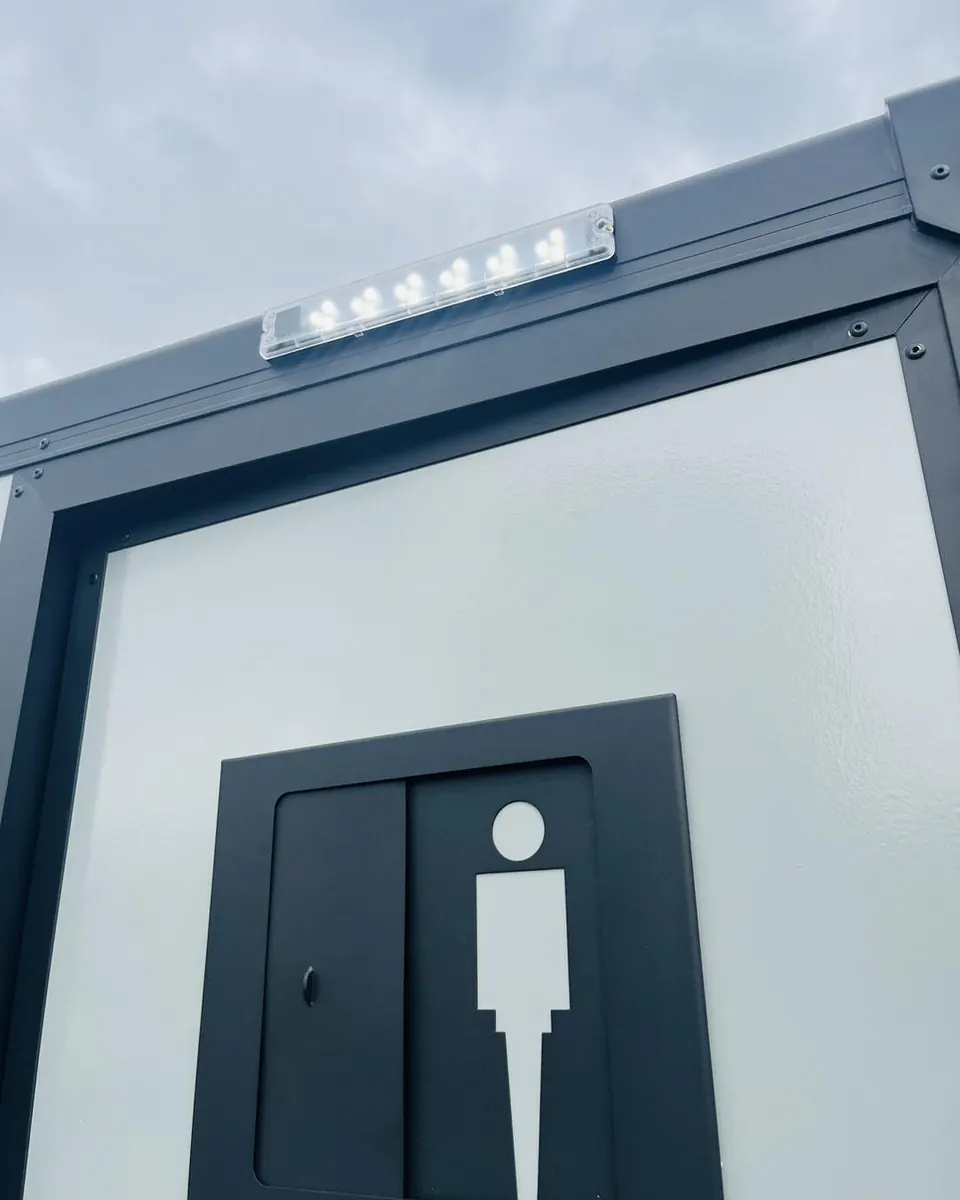
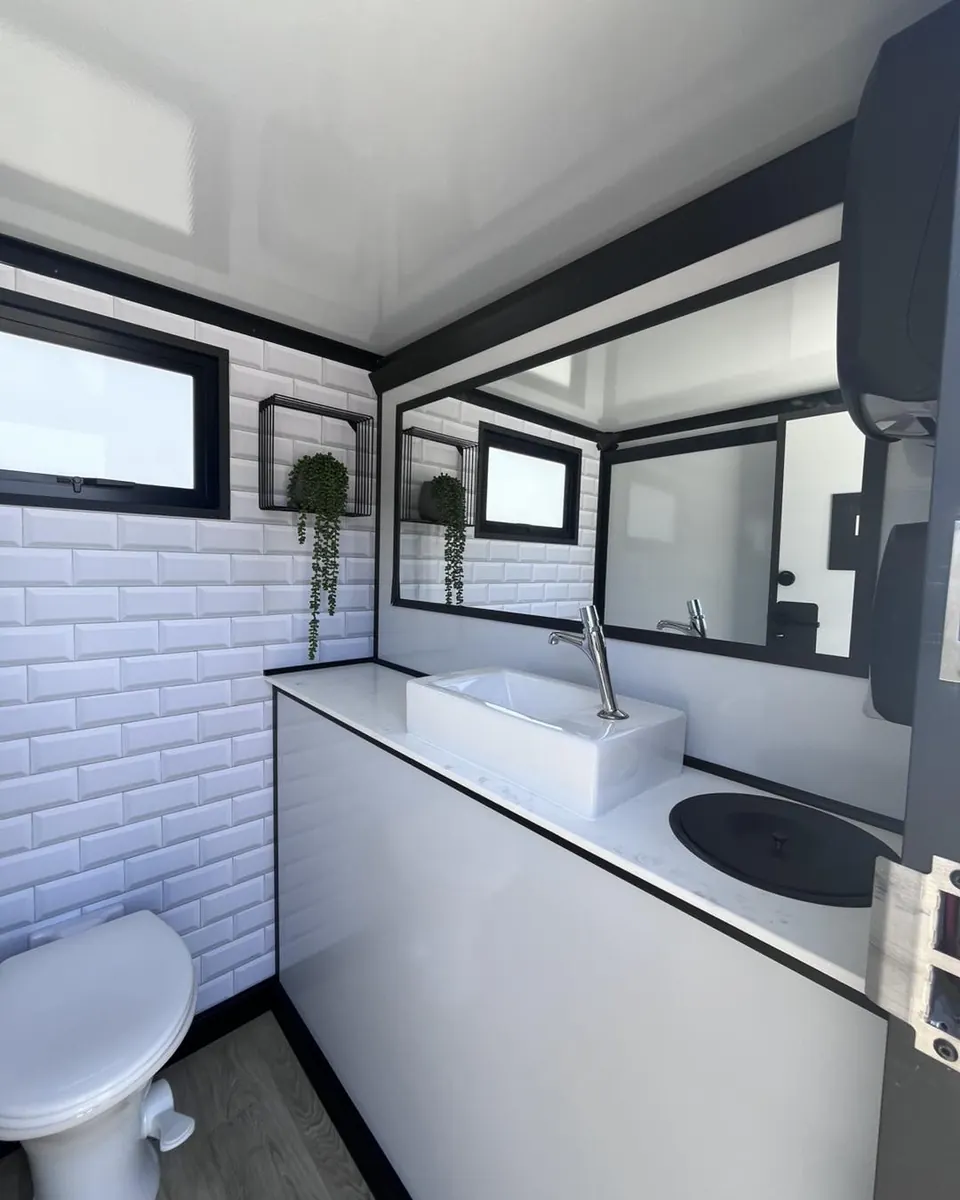
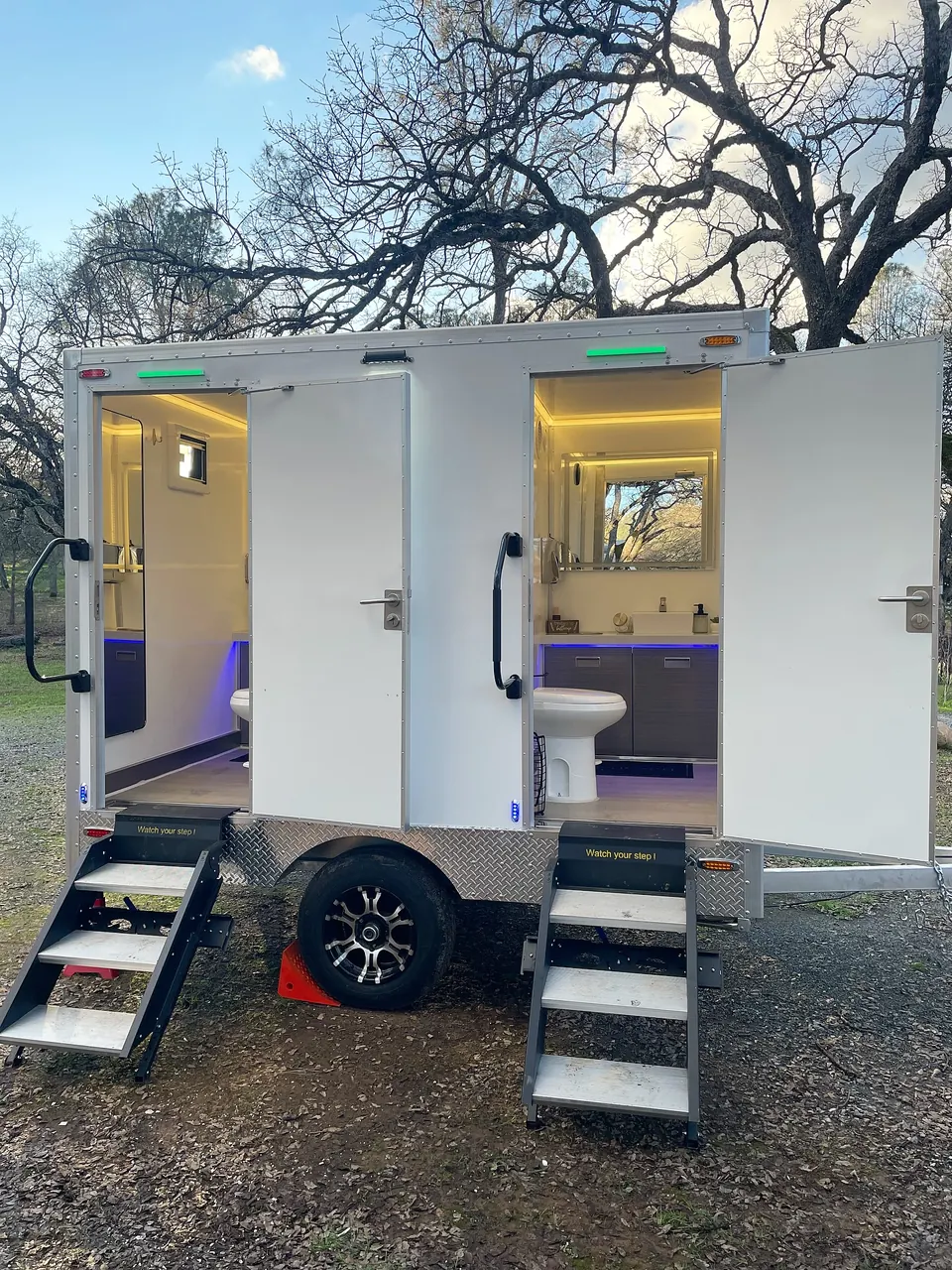
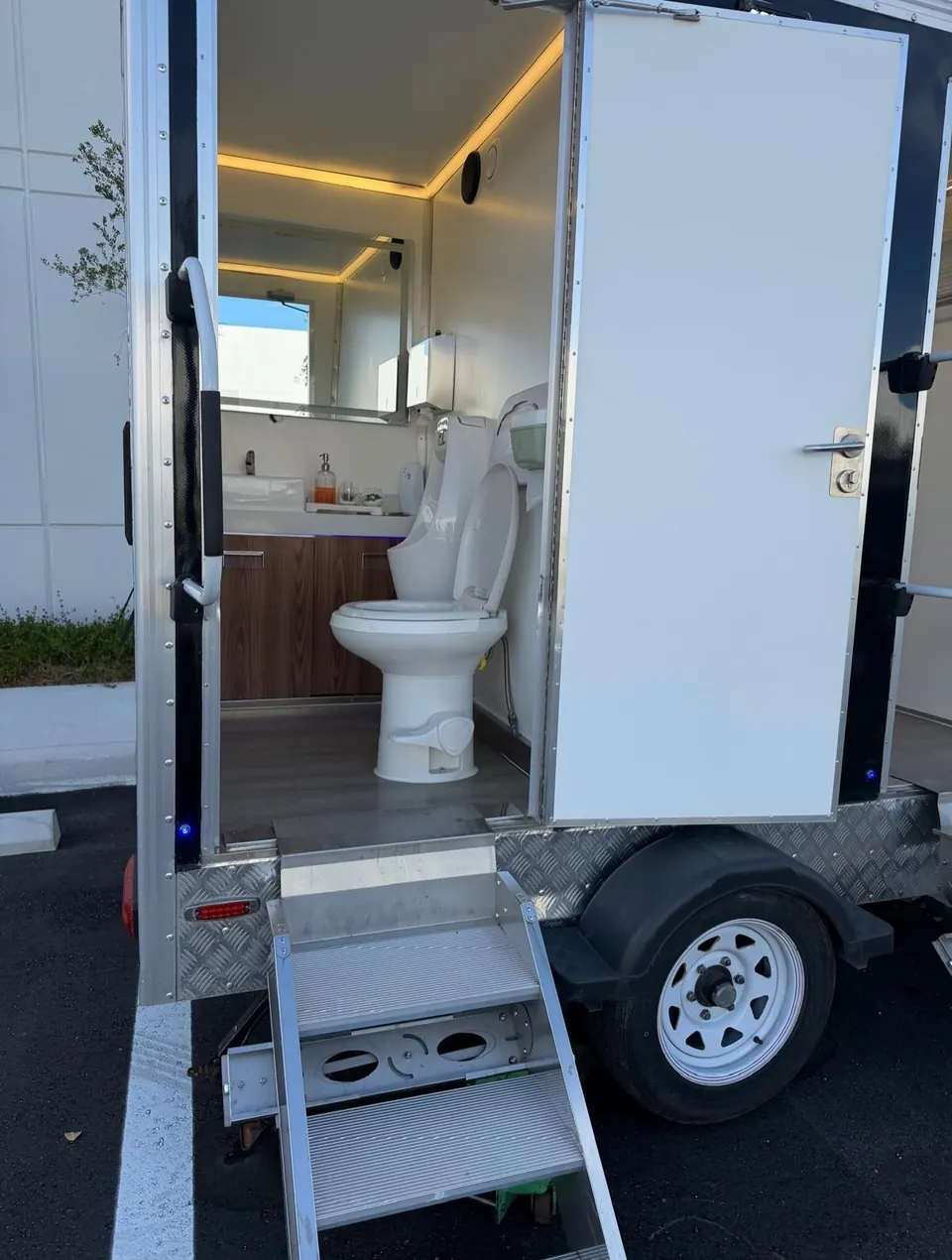
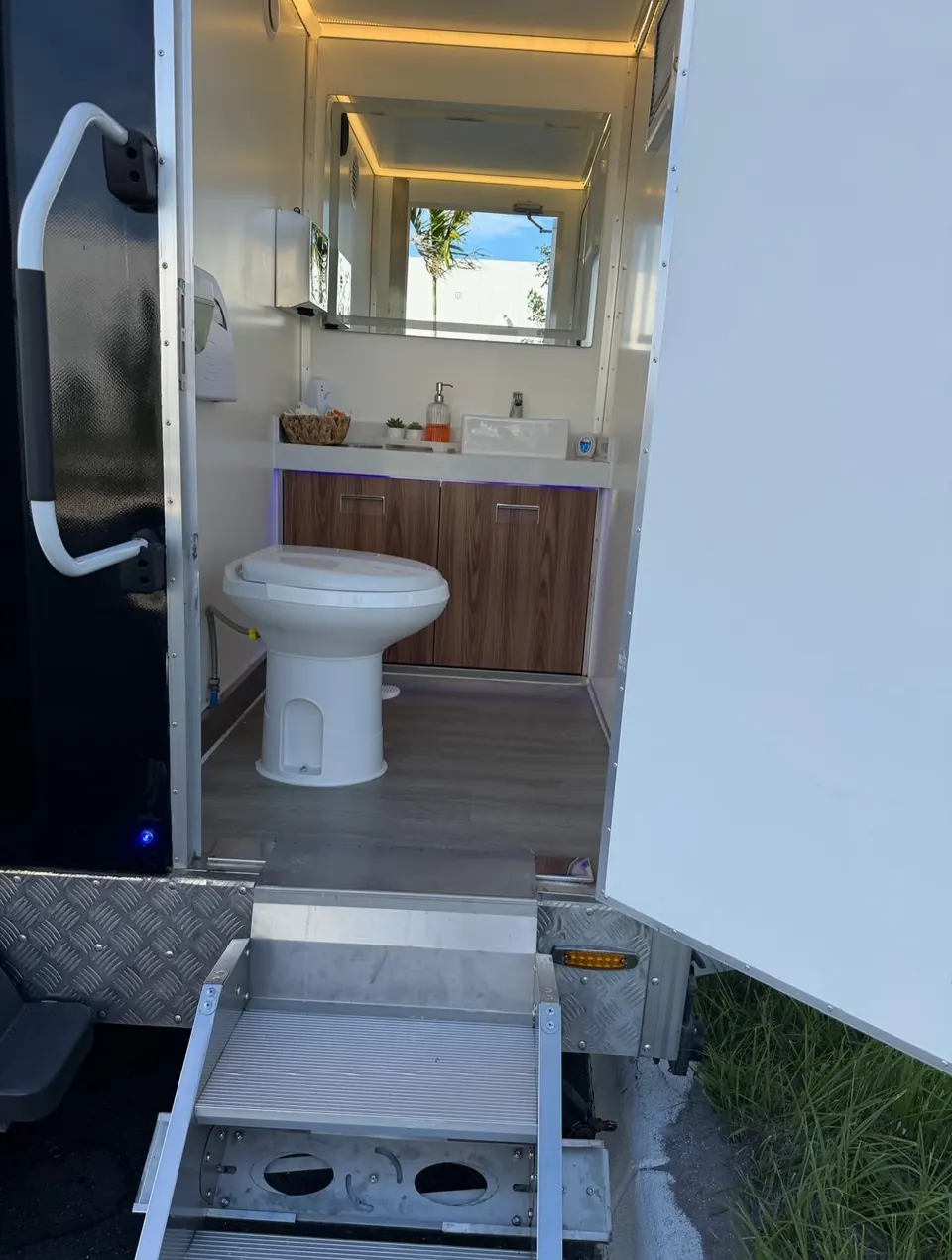
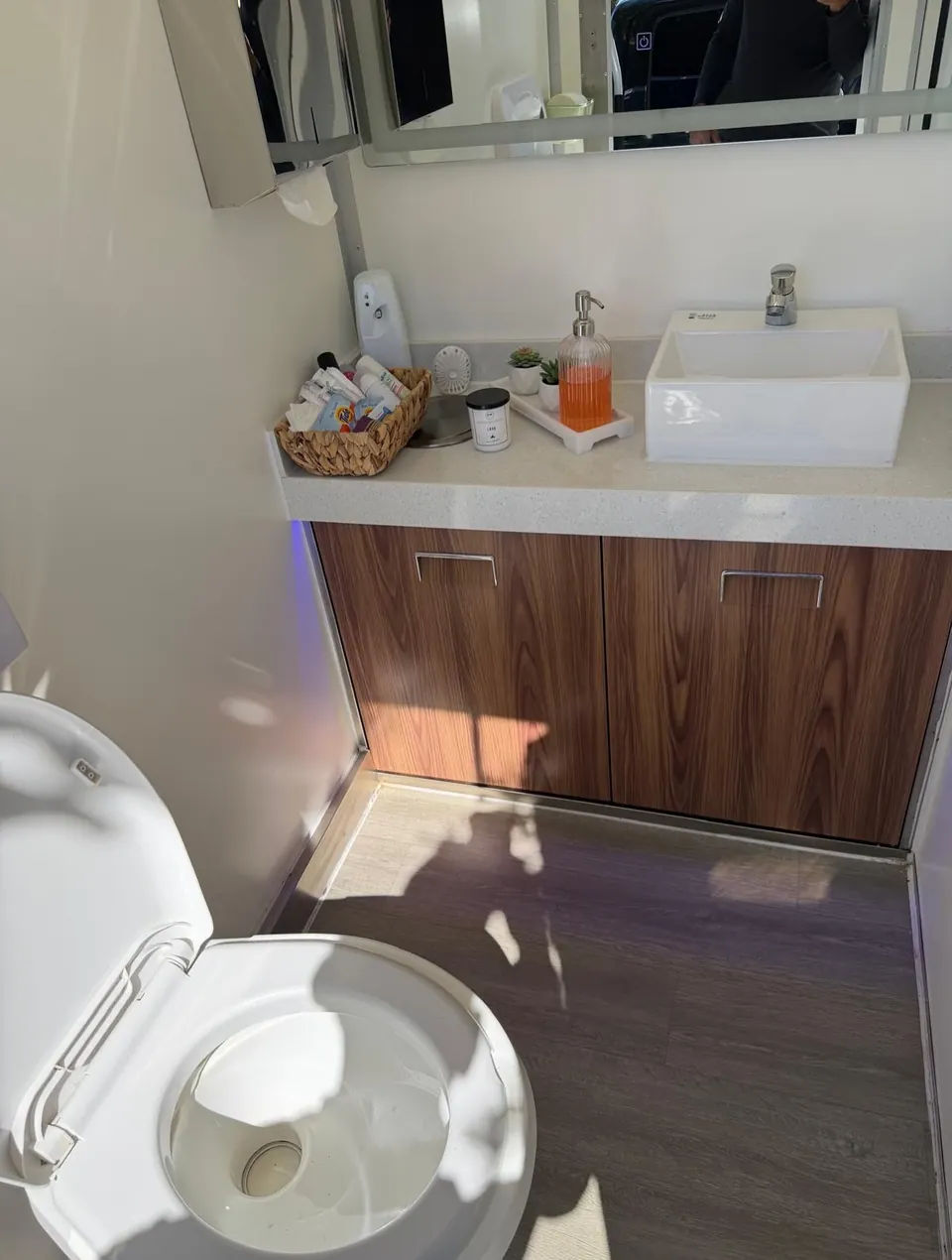
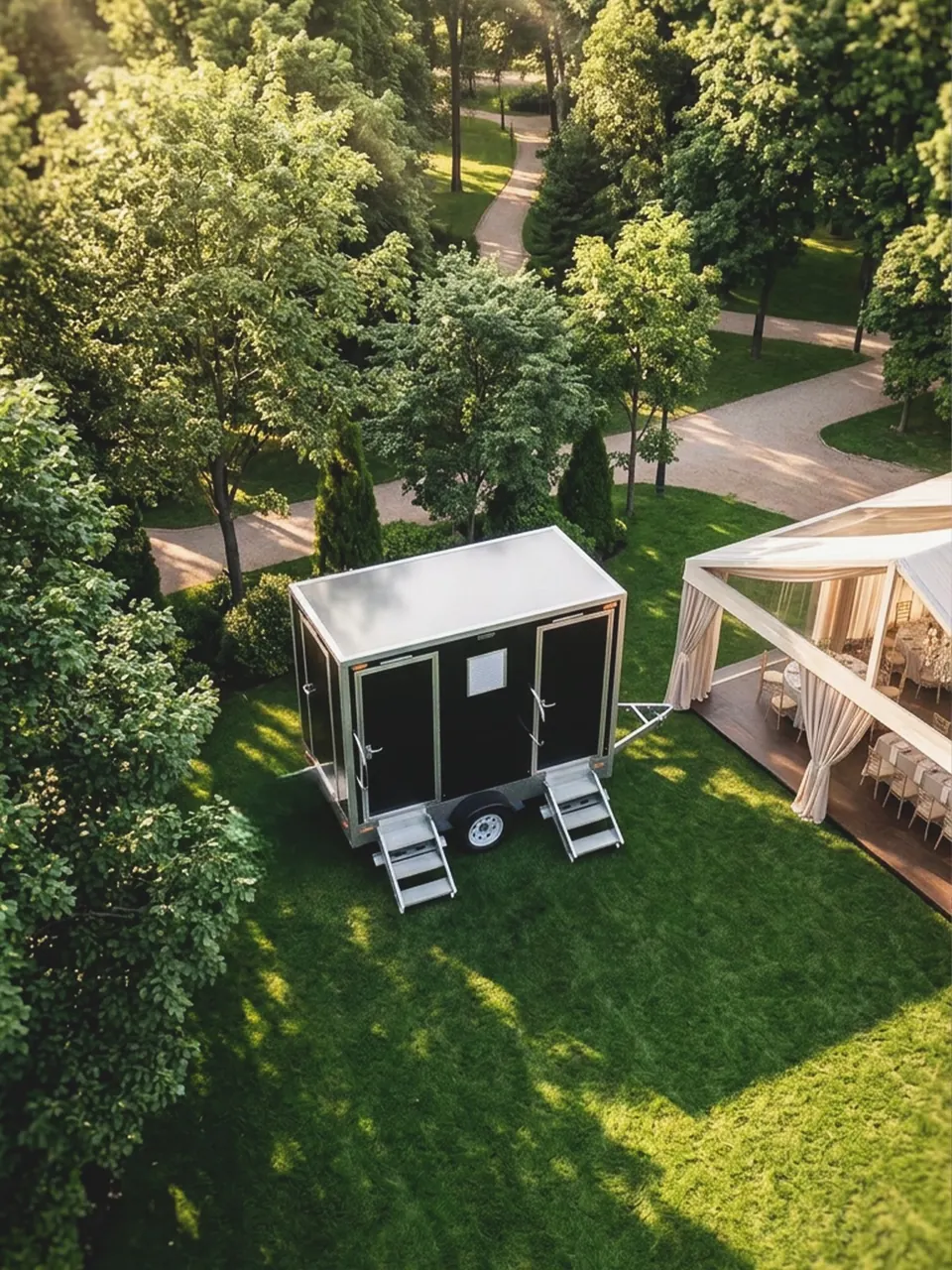
A trailer can suit a wedding, reception or business event where the restroom finish is part of the guest experience. Ask about the number of stalls, interior sinks, lighting, flushing toilets and any heating or cooling on the specific unit offered. Amenities and accessibility vary by model.
For a smaller gathering, a deluxe portable toilet may be worth comparing. A trailer requires room beyond its parked body: the delivery vehicle needs to approach, turn and position it, and people need safe space to enter and queue.
Get a written utility specification
Tell us whether water and electrical service are available at the proposed position. Ask for the exact connections, power supply, cable limitations and water arrangements required by the selected model. Do not assume any extension cord or ordinary outlet will be suitable.
If a self-contained arrangement or generator is proposed, have its compatibility, fuel responsibility, noise and service requirements confirmed. Agree on who supplies and connects each component.
Plan the entrance and collection route
A stair entrance does not provide wheelchair access. Confirm whether an accessible trailer configuration is available or whether separate accessible facilities are needed. Keep the ramp, landing and guest route clear throughout the event.
Share the venue’s delivery and removal windows before the quote is finalized. A Friday-to-Monday plan may suit one private venue and conflict with another venue’s permit. Consider when tents, tables and parked vehicles will occupy the turning space.
Compare the full event cost
Request a total covering the chosen trailer, delivery and removal, setup, included supplies, any scheduled service and agreed utility equipment. Ask separately about attendants if needed; their availability is not assumed.